Loading...
Serving Cabot, AR and surrounding areas. (501) 394-0030
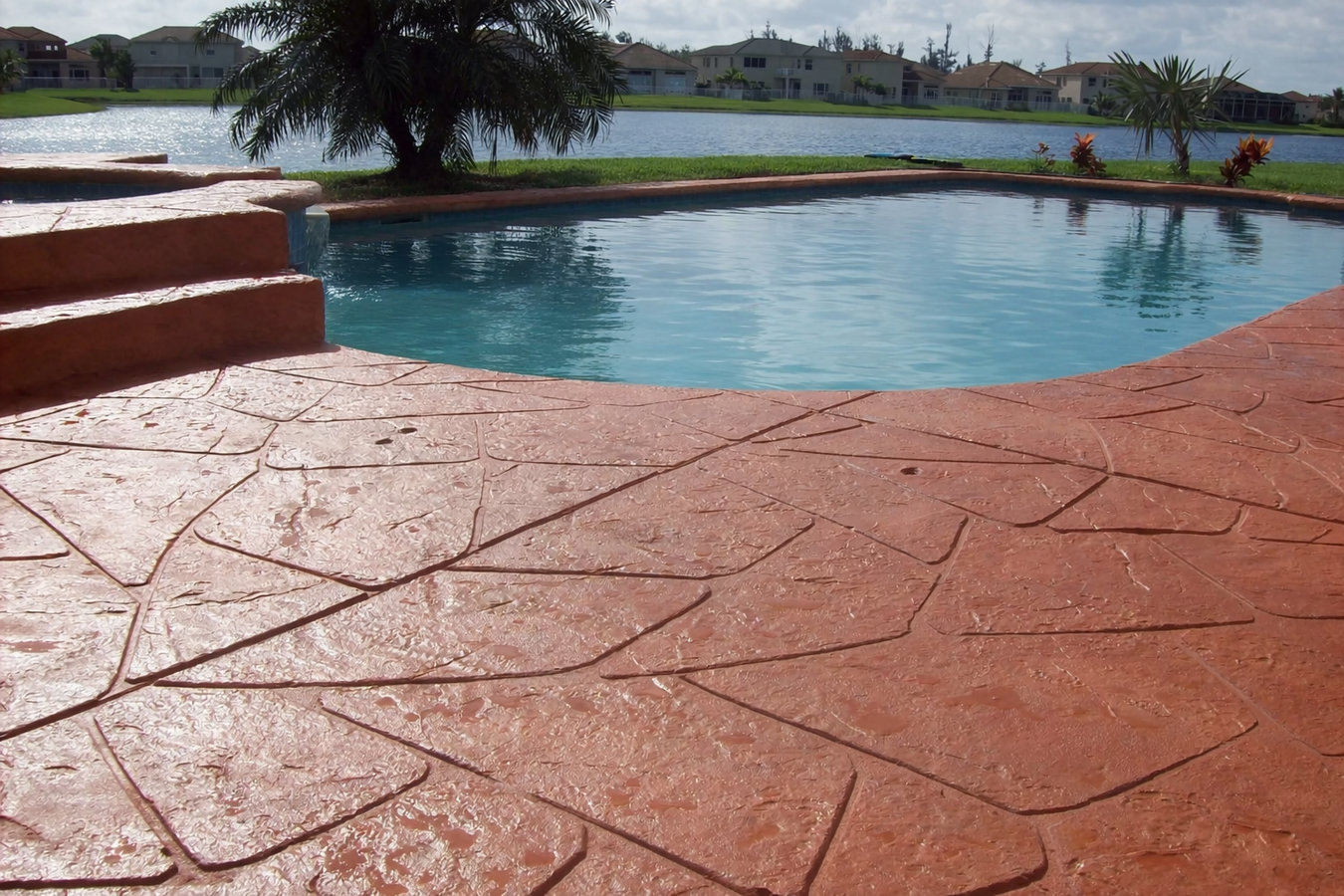
Precision Cabot Concrete serves Little Rock, AR with stamped concrete, driveways, patios, sidewalks, and foundation work. We have worked on homes from the Quapaw Quarter to West Little Rock since 2020, and we understand how this city's clay soil and weather affect every pour we make.
Little Rock homeowners in neighborhoods like the Heights and West Little Rock invest seriously in their outdoor spaces, and stamped concrete gives a patio, pool deck, or walkway the look of natural stone or brick without the ongoing maintenance cost. Our stamped concrete services in Little Rock include color hardeners and sealers rated for central Arkansas UV and freeze-thaw conditions, so the finish holds up through every season.
Driveways on older Little Rock properties - particularly in Hillcrest, Broadmoor, and Leawood - were poured decades ago without the gravel subbase that modern driveways require, and after years of clay movement they have cracked and settled beyond repair. We excavate to stable ground, install a compacted gravel base, and pour concrete thick enough to handle daily vehicle loads on Little Rock soil.
Little Rock's long outdoor season - spring through fall - makes a well-built patio one of the most used spaces on a property. We build patios that drain away from the foundation at the correct grade, which matters here because clay soil near the house holds water and creates long-term foundation pressure if flatwork is sloped the wrong direction.
In Little Rock's older neighborhoods, sidewalks are heaved and broken by root pressure from mature trees that have grown alongside them for 50 or 60 years. We remove damaged sections, address root-related issues before forming new concrete, and pull permits from the City of Little Rock Planning and Development Department when work is in the right-of-way.
Newer West Little Rock subdivisions, including Chenal Valley and Pleasant Valley, have a high concentration of in-ground pools, and the concrete decks around them take a hard beating from Little Rock's intense summer UV and the soil movement beneath them. We install pool decks with expansion joints and non-slip textures sized for the heat and moisture exposure of an Arkansas pool season.
Many Little Rock homes from the 1960s and 1970s have garage floors with diagonal settlement cracks running from the corners - a clear sign that clay movement has worked on the slab for decades. We assess the current subbase before forming a replacement floor and pour at the thickness and reinforcement level the soil conditions in that part of Little Rock require.
Little Rock is Arkansas's largest city, and it holds every housing era in one place. The Quapaw Quarter has Victorian and craftsman homes from the 1880s and 1890s with original foundations that have seen over a century of clay movement. Hillcrest and the Heights have 1920s-1940s brick bungalows on lots lined with mature oak and elm trees whose roots have been cracking sidewalks and driveways for decades. The midcentury ranch homes in Broadmoor and Leawood were poured on minimal base material, and they show it. West Little Rock's newer subdivisions in Chenal Valley are just now hitting the 20- to 30-year mark where first-generation concrete driveways and patios commonly need replacement. Every one of these neighborhoods needs a different approach to subbase preparation and concrete thickness.
Central Arkansas clay is the common thread running through all of it. Little Rock receives around 50 inches of rain per year according to National Weather Service Little Rock climate data, and that moisture cycles through expansive clay soil that swells when wet and shrinks in dry summers. A concrete slab poured without a proper compacted gravel buffer between it and that clay will move with the soil, cracking along joints and edges every few years. Properly installed concrete with adequate base depth breaks that cycle and lasts for decades instead.
Our crew works throughout Little Rock regularly, and we understand the local conditions that affect concrete contractor work here. Permit applications for driveways, retaining walls, and right-of-way work go through the City of Little Rock Planning and Development Department, and we handle that process on every job that requires a permit so the homeowner does not have to.
Little Rock is a big city with distinct zones that feel completely different from one another. Downtown and the Riverfront Park area near the Clinton Presidential Library sit at lower elevation and have more groundwater influence on soil conditions. Hillcrest and the Heights, a few miles west, are on higher ground with older clay profiles and mature tree canopy that affects any concrete work within root distance. The newer neighborhoods in West Little Rock from Pleasant Valley out to Chenal Valley are on recently developed land where the subbase grading and fill depth vary significantly from lot to lot. Knowing which part of the city you are working in shapes every decision about base preparation and pour thickness.
We serve the neighboring cities that connect to Little Rock from multiple directions. Just across the Arkansas River, North Little Rock, AR shares the same clay soil profile and is part of our regular service area. Southwest of the city, Benton, AR is another community where we work on concrete projects for homeowners along the I-30 corridor.
Reach us at (501) 394-0030 or use the estimate form on this page. We reply within one business day, usually the same day for calls during business hours.
We visit the site to assess subbase conditions, drainage, and project scope. You receive a written estimate with a clear line-item breakdown before any work is scheduled - no vague quotes.
We handle any required permit applications with the City of Little Rock before scheduling the pour. Work is timed around the weather forecast, because summer heat and spring rain both affect concrete quality.
We complete the pour and finish, then walk through the completed work with you before we leave. We also advise on cure times and any sealing steps specific to your project type.
We serve Little Rock homeowners and businesses. Free written estimates, no obligation.
(501) 394-0030Little Rock is the capital and largest city in Arkansas, with roughly 202,000 residents and a metro area of around 750,000. It sits on the south bank of the Arkansas River and serves as the center of state government, healthcare, and the regional economy. The city is known for landmarks including the William J. Clinton Presidential Library on the river, and the Little Rock Central High School National Historic Site near Hillcrest. The city's neighborhoods span from Victorian-era homes in the Quapaw Quarter to craftsman bungalows in Hillcrest to postwar brick ranches in Broadmoor and newer construction in Chenal Valley, making it one of the most architecturally varied cities in the state.
About half of Little Rock's housing units are owner-occupied, and the city has a wide range of home ages and styles across its neighborhoods. The Heights and Hillcrest, both just west of downtown, are popular for their walkable character and older housing stock on tree-lined streets. West Little Rock has seen steady growth since the 1980s and continues to expand, with newer subdivisions attracting families and professionals. Surrounding communities like Sherwood, AR to the northeast and Benton, AR to the southwest are part of the broader metro area where we regularly work.
Custom patios that expand your outdoor living space beautifully.
Learn MoreLevel, polished concrete floors for residential or commercial use.
Learn MoreEngineered slab foundations providing a stable base for structures.
Learn MoreCommercial parking lots built for heavy traffic and durability.
Learn MoreCall today or submit the form and we will get back to you within one business day - most Little Rock estimates are scheduled within the week.