Loading...
Serving Cabot, AR and surrounding areas. (501) 394-0030
Cracked driveways, utility trenches, control joints, and slab removal done right - diamond-blade cuts with utilities located first and a written estimate before any work begins.
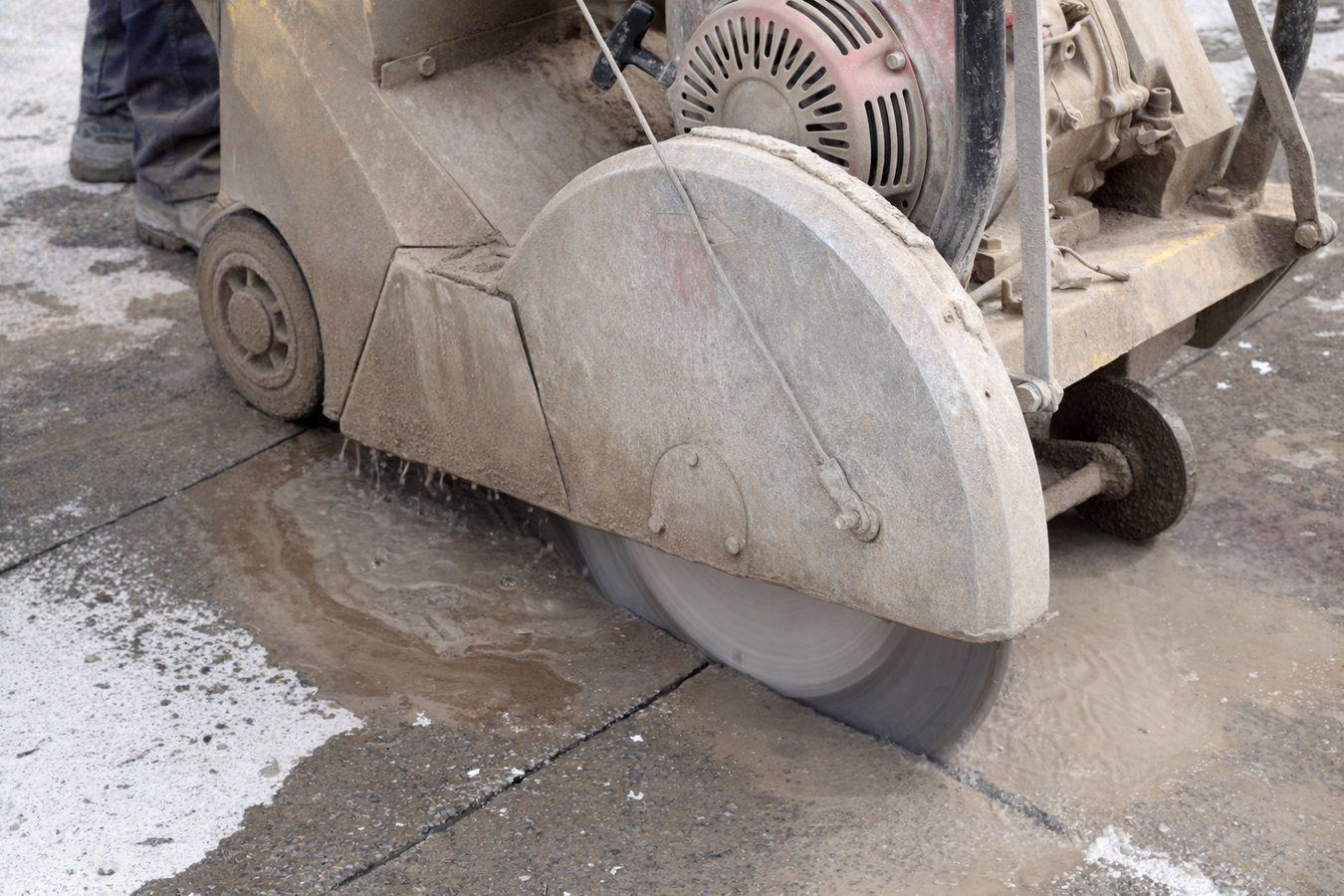
Concrete cutting in Cabot is the process of using specialized diamond-blade saws to slice through hardened concrete cleanly and precisely. Contractors use it to remove damaged driveway or patio sections, cut expansion joints that help concrete flex without cracking, create openings for utility lines or drains, or selectively remove slab areas before replacement. A straightforward cut - like taking out a cracked driveway section - usually takes a few hours to a full day. Larger trench or removal jobs can run two to three days depending on how much concrete needs to come out.
In Cabot, concrete cutting is especially common because the area's clay-heavy soil puts constant stress on slabs from below. Clay swells with every rain and shrinks every dry spell, cracking and heaving concrete over time. Many driveways and patios in Cabot's established neighborhoods were also poured without adequate control joints, which means cracking eventually spreads across the surface rather than concentrating in the designed joints. Cutting out damaged sections and adding proper joints stops that cycle before it requires a full replacement.
For homeowners whose concrete problems go beyond the surface - where the slab has settled or sunk - concrete cutting pairs well with our concrete driveway building service, which handles the full replacement after damaged sections are removed.
If you have cracks in your driveway, patio, or garage floor that look noticeably larger than they did last year, Cabot's winter freeze-thaw cycles are likely making them worse. Once a crack reaches about a quarter inch wide, water gets in easily, freezes, and expands the crack further with each cold season. At that point, cutting out the damaged section and replacing it is usually more cost-effective than patching.
When one section of a slab sits higher or lower than the section next to it, the concrete has moved - often because the clay soil underneath has swollen or settled. This is a tripping hazard and a sign that the slab is no longer structurally sound in that area. Concrete cutting is used to remove the affected section cleanly so it can be replaced level with the surrounding surface.
Concrete needs small gaps cut into it - called control joints - to give it room to expand and contract with temperature changes. Many driveways in Cabot's older neighborhoods were poured without adequate joints, and the result is random cracking across the surface. A contractor can cut proper joints into existing concrete to stop the cracking from spreading further.
If you are planning any home improvement that requires running a new pipe, electrical conduit, or drain through an existing concrete floor or wall, concrete cutting is how that opening gets made safely and cleanly. Trying to chip through concrete without the right equipment almost always damages more than it removes and can crack the surrounding slab.
We handle slab cutting, joint cutting, utility trench cutting, and selective demolition for residential properties throughout Cabot and the surrounding area. Every job uses diamond-blade equipment sized for the concrete being cut - the right tool leaves a clean edge and does not send shockwaves through the surrounding slab. Before any blade touches your concrete, we contact Arkansas 811 to have buried utilities marked, and we confirm permit requirements for your specific job type. For homeowners who need a full slab replacement after cutting, we coordinate the removal and new pour so you are dealing with one contractor, not two.
Dust and slurry control is handled throughout every job. Wet cutting keeps silica dust down during the cut, and we clean up the work area before we leave. For homeowners whose cutting project is part of a larger parking or commercial surface repair, see our concrete parking lot building page for how we handle larger-scale slab work.
Suits homeowners who need cracked, shifted, or deteriorated sections removed cleanly so replacement concrete can be poured flush with the surrounding surface.
Suits homeowners with older concrete that lacks adequate expansion joints, where random cracking has started and cutting proper joints can stop the damage from spreading.
Suits homeowners and contractors who need a clean, straight opening cut through an existing concrete floor, wall, or slab for a pipe, conduit, drain, or utility access point.
Cabot has been one of the fastest-growing cities in Arkansas over the past two decades, with significant residential development in subdivisions built during the 2000s and 2010s. A lot of that concrete - driveways, sidewalks, garage floors - was poured during that growth period and is now reaching the age where cutting and repair work becomes necessary. At the same time, the city's older established neighborhoods have concrete that is 30 to 40 years old, where missing or deteriorated control joints have let cracking spread unchecked through the surface. Arkansas's freeze-thaw cycles during winter compound this - water seeps into existing cracks, freezes, expands them, and the cycle repeats every cold season. Scheduling concrete cutting in early spring stops that progression before the next winter makes it worse.
We cut concrete throughout Cabot and into the surrounding communities. Homeowners in Lonoke deal with the same clay soil and freeze-thaw conditions as Cabot, making slab cutting and joint work equally common there. In Jacksonville, older neighborhoods near the base have concrete that often predates modern joint standards and benefits from the same proactive cutting and maintenance approach.
When you contact us, we ask what you need cut, roughly where it is, and what the cut is for. Most jobs require an in-person estimate rather than a phone quote, because concrete thickness and site access both affect the price significantly. We schedule the visit and get you a written estimate within one business day of seeing the job.
Before any blade touches your concrete, we contact Arkansas 811 to have buried utilities marked - this is required by state law and protects your water, gas, and electrical lines. If your job requires a permit through the Cabot Building Department, we handle the application. Permit timelines are factored into your schedule upfront.
The crew marks cut lines, sets up equipment, and begins cutting using diamond-blade saws appropriate for your slab's thickness. We use water or vacuum equipment to control dust and slurry throughout the job. The noise is significant during active cutting but stops between passes. Most residential jobs are completed in a single day.
The crew cleans up slurry or debris, removes the cut concrete pieces, and leaves the work area tidy before packing up. If a permit was pulled, a city inspector reviews the work. We do a final walkthrough with you to confirm the cuts are where you wanted them and the edges are clean before we leave.
Spring slots fill fast - the best time to address cracked or damaged concrete in Cabot is before summer heat makes curing harder and before next winter worsens the cracks.
(501) 394-0030We contact Arkansas 811 and have all buried lines marked before any cutting begins. This is required by state law, and it is something we take seriously on every job. Hitting a water line or gas line during a cut is the kind of problem that costs far more to fix than the original cutting job would have.
OSHA Silica Dust Standards for ConstructionA diamond-blade saw leaves clean, straight edges with no jagged crumbling or radiating cracks in the surrounding slab. Using the wrong tool - like a jackhammer in a situation that calls for a saw - is one of the most common ways concrete cutting damages more than it fixes. We match the equipment to the job, not the other way around.
Concrete Sawing and Drilling AssociationCabot's expansive clay soil moves with every wet season and dry spell, and that movement affects how replacement concrete needs to be prepared and poured after cutting. We account for soil conditions when we advise on joint placement and subbase prep - so the replacement section does not develop the same problems as what we just removed.
Arkansas requires a contractor's license for concrete cutting work that is part of a larger construction project. Ask for our license number and verify it through the Arkansas Contractors Licensing Board before signing anything. We carry current general liability and workers' compensation coverage on every job.
Arkansas Contractors Licensing BoardThe right equipment, properly located utilities, and a written estimate before work starts - these are not extras, they are the minimum standard for every concrete cutting job in Cabot, and they are what separates a clean result from a repair that creates new problems.
New driveway installation after damaged sections are removed, poured and reinforced for Cabot's clay soil.
Learn MoreCommercial and residential lot concrete work, including selective removal and replacement of damaged sections.
Learn MoreSpring is the best time for concrete cutting and replacement in Cabot - moderate temperatures mean better curing and results that hold through the next winter. Slots go quickly.