Loading...
Serving Cabot, AR and surrounding areas. (501) 394-0030
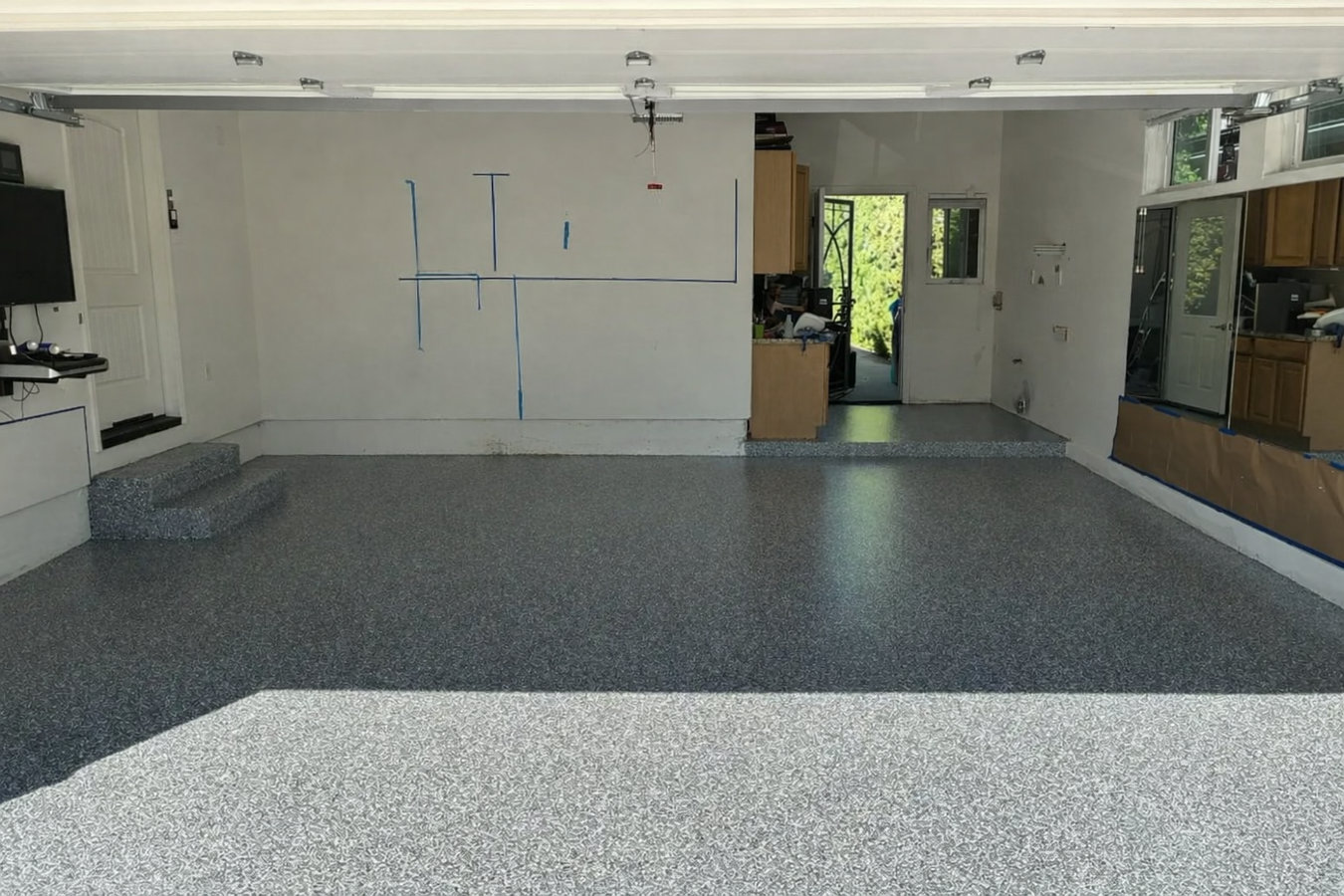
Cabot clay soil is hard on slabs that were not poured right. We do the subbase work, control joints, and finishing that keep your floor solid for 30 to 50 years.
Concrete floor installation in Cabot starts with preparing the ground underneath - grading the soil and laying a compacted gravel subbase - then pouring a mix sized for the intended use, finishing the surface, and cutting control joints to manage future cracking. Most standard residential pours take one to three days of active work, with the slab reaching full strength over 28 days.
In Cabot, the step most contractors cut short is subbase preparation. The clay-heavy soil here expands when wet and shrinks when dry, and a slab sitting on a poorly compacted base will crack within a few wet-dry cycles - no matter how good the pour was. Getting that base layer right is the single biggest factor in how long your floor holds up.
If the floor you are planning is for a garage, you may also want to look at our garage floor concrete page, which covers finish and thickness options specific to vehicle use. For outdoor slab work around a pool, see concrete pool decks.
Small hairline cracks are common and not always a problem. But cracks wider than a quarter-inch, or cracks that seem to be growing, mean the slab underneath is moving in a way that surface patching will not fix. In Cabot, this is often caused by clay soil shifting through wet and dry seasons.
A properly installed concrete floor slopes so water drains away from the structure. Standing water on your garage floor or covered area after rain suggests the slab has settled unevenly - a common issue in Cabot neighborhoods built on graded fill where the ground continues to settle for years.
If the top layer of your concrete floor is peeling away in chips or feels soft underfoot, the surface has deteriorated past the point of simple sealing. This kind of spalling is often the result of freeze-thaw cycles combined with a slab that was not properly finished when poured.
If you are building a new structure on your property - even a detached garage or a large shed with a permanent floor - you need a concrete slab poured before construction begins. This is also the time to think about thickness and finish requirements based on how the space will be used.
We pour concrete floors for garages, workshops, outbuildings, additions, and covered outdoor spaces throughout Cabot and the surrounding area. Every project starts with the subbase - if the ground is not properly prepared, the pour does not matter - and every pour includes control joints spaced for local soil conditions. For homeowners who want a decorative finish on their new floor, we can also pair a new slab with our garage floor concrete finishing options, including sealed and stained surfaces.
When an existing slab needs to come out, we handle the demolition and haul the old material off the property before the new pour begins. If the reason your current floor failed was a drainage problem or a settling soil issue, we address that at the base level - so you are not repeating the same problem on a new slab five years from now.
Suits homeowners adding a garage, workshop, covered patio, or outbuilding that needs a permanent concrete floor.
Suits properties where an existing floor is cracked, settled, or spalling beyond the point of repair.
Suits additions, basements, and enclosed spaces where a level, finished concrete surface is needed as the final floor or as a base for other flooring.
Cabot has been one of the fastest-growing cities in Arkansas for the past decade, which means a lot of homes here sit on lots that were graded and filled during development. Fill soil that has not had years to settle naturally is more likely to shift under a slab - especially when it is clay-heavy and exposed to Lonoke County rainfall and summer heat cycles. Contractors who work in other regions and do not account for these conditions tend to produce slabs that look fine at first and then crack within three to five years.
Homeowners throughout our service area see this play out regularly. Neighbors in Lonoke, AR and Beebe, AR often reach out after seeing cracked garage floors in homes that are only 10 or 12 years old. The cause is almost always the same: base prep that was rushed during the original construction. Starting right is cheaper than fixing it later.
We ask about the size of the area, its intended use, and whether there is existing concrete to remove. Most jobs require an on-site visit to accurately assess soil conditions and access. You receive a written estimate within one business day that breaks down labor, materials, and any permit fees.
For most concrete floor projects in Cabot, we apply for a building permit through the City of Cabot before work begins. This typically takes a few business days. You do not need to do anything - just confirm we are handling it before you sign a contract.
The crew removes old concrete if needed, excavates to the right depth, grades the soil, and lays a compacted gravel subbase. This step is the most important part of the job - a well-prepared base is what keeps your slab from cracking or settling over time.
On pour day the concrete is placed, spread, and finished before it begins to set. Control joints are cut in to manage future cracking. After 24 hours you can walk on it lightly - vehicles stay off for at least a week. For permitted work, a city inspector confirms the slab meets local standards before we close out.
No pressure, no obligation. We assess your soil conditions and give you a written quote. Reply within one business day.
(501) 394-0030Cabot clay expands and contracts with every wet-dry cycle. We compact the gravel base to the depth and density needed to keep your slab stable through that movement - because a great pour on a poor base still fails.
Pouring concrete during a July heat wave in Cabot is a shortcut that leads to a weaker slab. We schedule pours for early morning during moderate weather and use additives when needed to control curing speed.
We apply for the required building permit and schedule the inspection through the City of Cabot. That permit record stays with your property and protects you when you sell. You should not have to figure that process out on your own.
Central Arkansas freeze-thaw cycles in winter are mild compared to northern states, but they are enough to damage a slab that was not properly finished and sealed. We treat the finishing step as seriously as the pour itself.
Portland Cement AssociationTaken together, those practices mean your floor is built for Cabot conditions from the first shovel of gravel to the final sealed surface. A floor that looks fine on pour day but cracks by year three was built to the wrong standard for this soil and climate.
See concrete floor construction standards from the American Concrete Institute and permit requirements through the City of Cabot.
A pool deck is a specialized concrete pour that needs slip resistance, heat tolerance, and proper drainage built into the surface from the start.
Learn MoreGarage floors have specific thickness, finish, and sealing requirements that differ from basic slab work - see what that looks like for Cabot homes.
Learn MoreSpring and fall booking slots fill fast. Get your free on-site estimate now and lock in your project date before the best weather windows close.