Loading...
Serving Cabot, AR and surrounding areas. (501) 394-0030
Clay soil moves with every rain and every dry spell. We build slab foundations in Cabot designed to stay level and solid through decades of Arkansas weather.
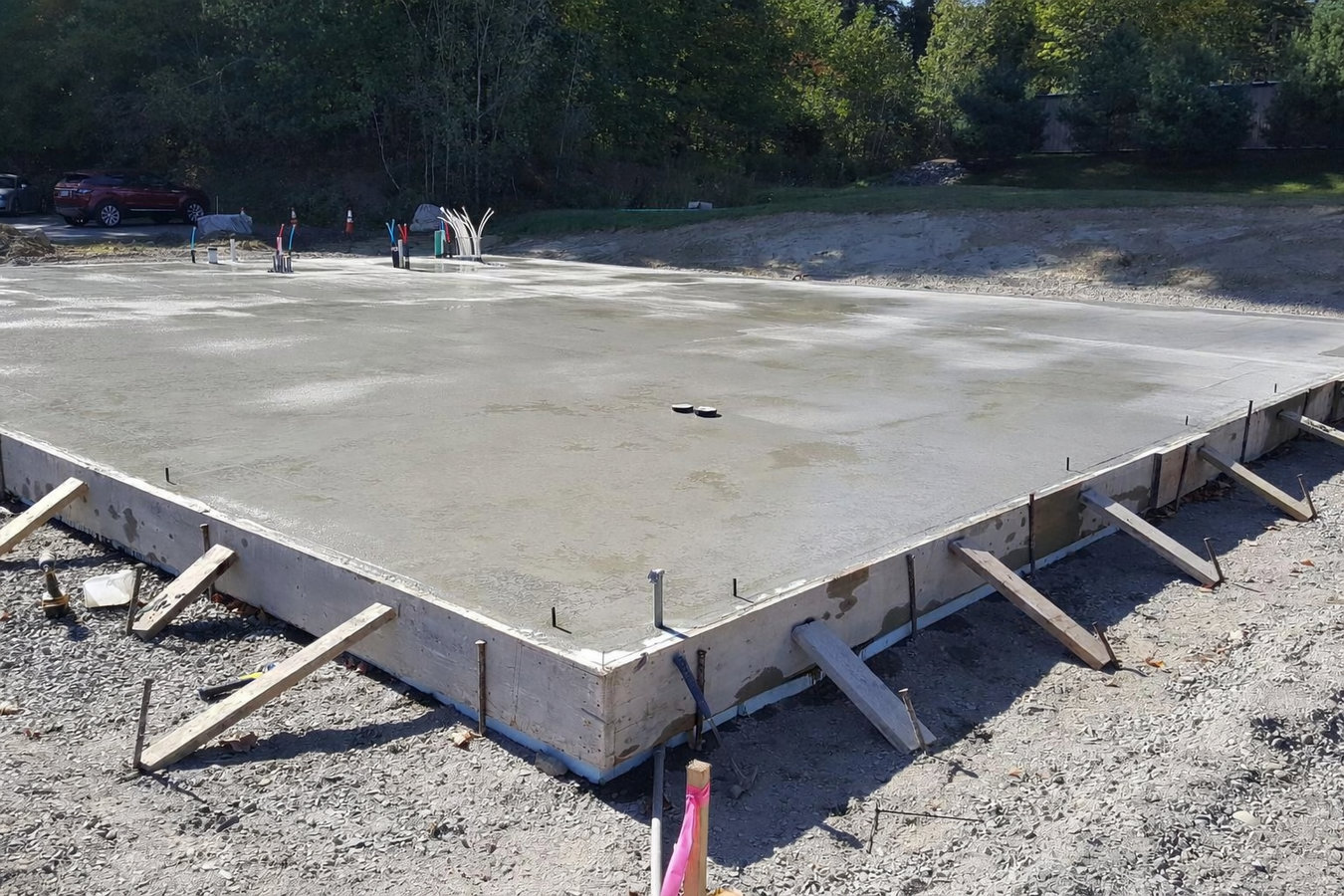
Slab foundation building in Cabot means pouring a single, thick layer of reinforced concrete directly on the ground - graded soil, compacted gravel base, moisture barrier, and steel reinforcement all go in before the concrete arrives. Most residential slabs take one to two weeks from permit to curing, with the pour itself completed in a single day.
Most homes in Cabot built since the 1980s use slab-on-grade construction because it suits the climate and the cost structure of central Arkansas builds. The challenge here is the soil. Lonoke County clay expands when wet and shrinks when dry - and a slab poured on poorly prepared ground will crack and shift within a few years no matter how good the concrete is. Preparation is what the job is really about.
For homeowners starting new construction, a slab foundation naturally connects to the broader project - once the slab passes inspection, framing begins. Many clients also ask about concrete footings for additions or outbuildings that sit adjacent to the main slab.
If you are starting a new construction project in Cabot, a slab foundation is the first structural step - everything else gets built on top of it. Without a properly built slab, no other part of the construction can proceed safely. This is the most direct reason to call a concrete contractor.
Small hairline cracks in a concrete floor are normal over time, but cracks wider than a quarter-inch or cracks that run diagonally from door corners are a warning sign. In Cabot's clay-heavy soil, this kind of cracking often means the ground underneath has shifted. It is worth having a contractor assess whether the slab can be repaired or needs replacing.
When a slab foundation shifts, the walls and door frames above it shift too. If doors that used to swing freely now stick at the top or bottom, or if you can see daylight at the corner of a window frame, the foundation may be moving. This is especially common in Cabot homes built on clay soil.
If water is collecting against your foundation or seeping under the slab after heavy rain, it accelerates the soil movement that causes cracking and settling. Standing water near your foundation after a storm, or mustiness coming from the floor, may mean your current slab needs evaluation.
We build new residential slabs for homes, garages, room additions, and standalone structures. Every job starts with proper site assessment - we look at the slope, the soil, and any drainage issues before we set a form or order concrete. For projects connected to an existing structure, we evaluate how the new slab will tie in and what the thickened perimeter needs to look like to carry the load above it. We also handle foundation installation for full residential builds that require a complete foundation system.
Permit coordination is included as a standard part of every job. We apply for the required City of Cabot building permit, schedule the pre-pour inspection, and make sure the city signs off before concrete is placed. You should never have to wonder whether your foundation is legally documented - that question gets answered before the concrete truck arrives.
Suits homeowners building a new home, garage, addition, or detached structure that needs a concrete base before framing begins.
Suits homeowners converting an existing space or building a new outbuilding that needs a proper concrete floor and perimeter.
Suits homeowners whose existing slab has moved, cracked, or become unlevel due to clay soil movement under the existing structure.
Cabot sits in Lonoke County on clay-heavy soil that behaves differently than the sandy or loamy ground found in other parts of the country. Central Arkansas receives around 50 inches of rain per year, and that rainfall cycles the clay through repeated wet and dry spells all year long. Each cycle adds stress to any concrete sitting on top of the ground. A thickened perimeter, a proper gravel base, and well-placed reinforcement are not upgrades here - they are the minimum for a slab that holds up. Cabot summers also push into the 90s, which means hot-weather pour practices matter: scheduling early morning pours and keeping the surface moist during curing are standard steps that a local crew takes seriously.
Cabot has been one of the faster-growing cities in Arkansas, which means there are more new slabs being poured here than in many surrounding communities - and more concrete contractors competing for the work. Homeowners in communities we serve around Lonoke, AR and Austin, AR face similar clay soil conditions and ask the same questions about timing, permits, and what to expect during the process. The answer is always the same: soil prep done right before the pour determines whether the slab holds.
We ask a few basic questions about your project, then schedule a site visit. We need to see the lot, the slope, and the soil before we can give you a number that means anything. You will have a written estimate within one business day of that visit.
We apply for the required City of Cabot building permit on your behalf before any ground is broken. Permit processing typically takes a few business days to a couple of weeks. We confirm the schedule and give you a realistic timeline including any buffer for weather.
The crew grades the area, compacts the soil, lays gravel, places the moisture barrier, and sets the steel reinforcement. A city inspector then visits to confirm everything is set up correctly before the concrete is poured - this is required in Cabot and protects you.
The concrete is delivered by truck and the crew spreads, levels, and finishes the surface. A typical residential pour takes four to eight hours. The surface is off-limits for 24 hours. After about a week of curing, the slab is strong enough for framing. We walk you through the finished work before we leave.
We visit your lot in person, check the soil conditions, and give you a written quote. No obligation, no pressure.
(501) 394-0030The clay-heavy ground in this area expands and contracts with every rain cycle, and a slab that was not built with that in mind will show it within a few years. We account for local soil conditions from the very first step - proper compaction, the right gravel base, and reinforcement sized for what this ground actually does.
Foundation work in Cabot requires a city permit and a pre-pour inspection, and skipping those steps can create serious problems when you go to sell your home or file an insurance claim. We handle every permit and inspection as a standard part of the job - not an add-on you have to chase down.
City of Cabot Building DepartmentPouring concrete in Arkansas summer heat requires scheduling pours for early morning, keeping the surface properly moist during curing, and using methods proven to work in central Arkansas. The result is a slab that is just as strong as one poured in ideal spring conditions.
Arkansas requires a license from the Contractors Licensing Board for construction work above a set dollar threshold - a new slab always qualifies. Ask for the license number before signing anything, and verify it yourself on the board's website.
Arkansas Contractors Licensing BoardThe steps that make a slab last - soil compaction, moisture barrier, proper reinforcement, and a passed city inspection - all happen before the concrete goes in and you can no longer see them. We treat those invisible steps as the most important part of the job, because they are.
Full residential foundation installation for new homes and major additions, including excavation, drainage, and city permit coordination.
Learn MorePoured concrete footings for walls, posts, columns, and structures that need a stable base below the frost line.
Learn MoreSpring and fall slots fill fast - call or submit a request today to lock in your start date before the busy season closes.