Loading...
Serving Cabot, AR and surrounding areas. (501) 394-0030
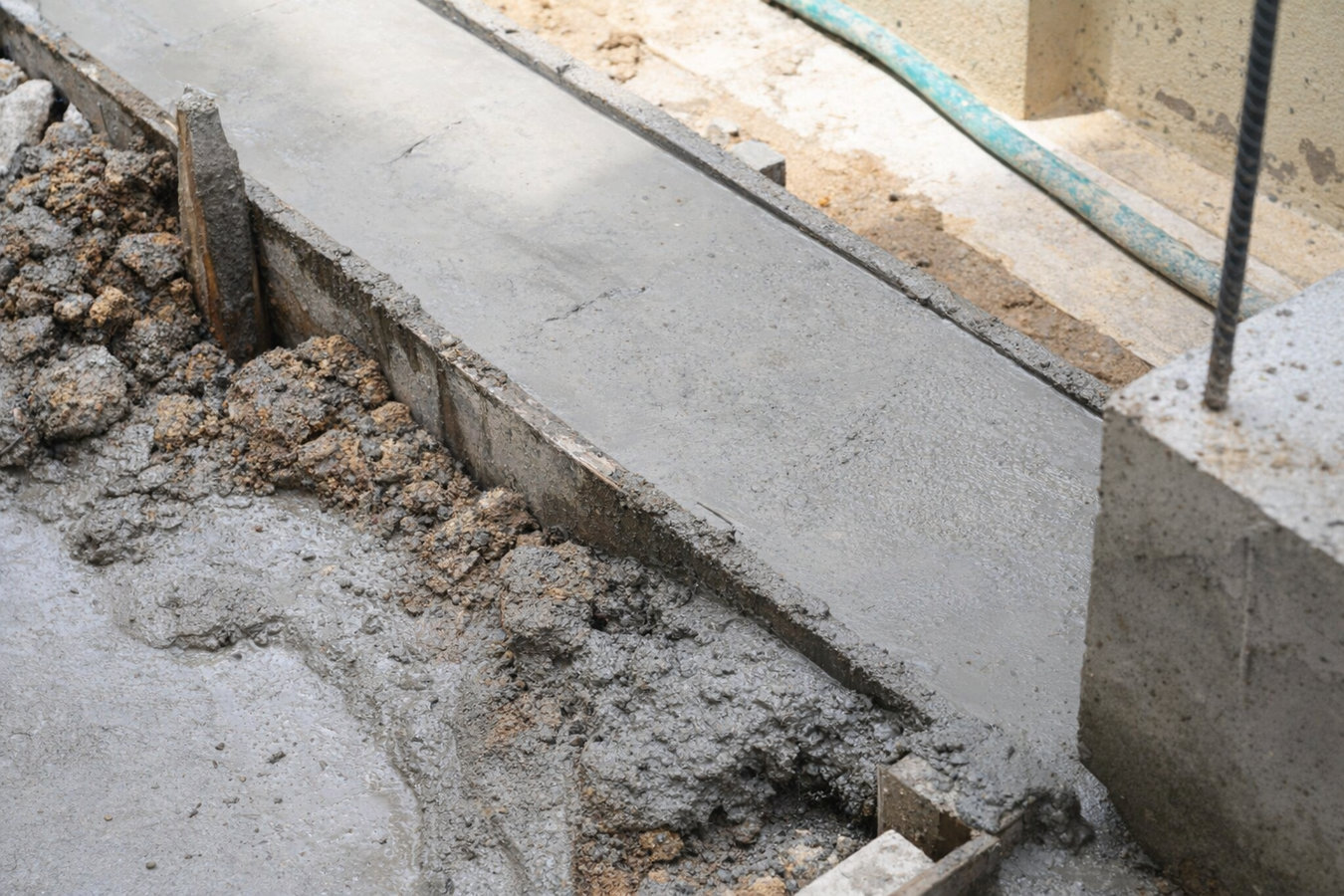
Sticking doors, diagonal cracks, and uneven floors are not just cosmetic problems in Cabot - they are signs that the clay soil under your home is on the move. We lift and stabilize settled foundations before the damage compounds.
Foundation raising in Cabot is the process of lifting a sunken or settled section of your home's foundation back toward its original level position. Contractors do this by injecting material beneath the slab to push it up, or by driving steel piers into stable soil below the active clay layer and using hydraulic equipment to lift from below. Most residential jobs take one to two days of active work, with no curing period afterward - your home is usable the same day or the next morning.
In Cabot, the underlying cause of most foundation settling is Lonoke County's expansive clay soil. That clay absorbs water and swells during wet seasons, then dries and shrinks in summer - a cycle that repeats every year and gradually pulls support away from your foundation in uneven ways. Homes built in Cabot between the 1970s and 1990s are particularly susceptible because older construction practices did not always account for decades of clay movement. A foundation that is settling will not fix itself - the movement tends to continue and worsen if left alone.
If your situation involves a new structure rather than an existing one, see our slab foundation building page for how we design and pour foundations for Cabot conditions from the ground up.
If interior doors that used to swing freely now drag on the floor or refuse to latch, your home's frame may be shifting because the foundation beneath it has moved. This is one of the earliest signs Cabot homeowners notice - especially after a long dry summer when the clay soil has pulled away from the slab. It is easy to dismiss as a minor annoyance, but it is worth having a professional look.
Diagonal cracks in your drywall - especially ones that start at the corner of a door frame or window and run at an angle - are a sign that part of your home is moving relative to another part. Hairline cracks from normal settling are common in older Cabot homes, but cracks wider than a quarter-inch or that have grown noticeably over a season deserve professional attention.
If you can see a visible gap where your wall meets the ceiling, or where your baseboard has pulled away from the floor, the structure is shifting. In Cabot's clay-heavy soil, this kind of movement often becomes most noticeable in late summer after weeks of dry heat have caused the ground to contract beneath the home.
If you notice water collecting against your home's exterior walls after a heavy rain rather than draining away, that water is soaking into the soil right next to your foundation. Over time, this repeated saturation and drying cycle is one of the main drivers of foundation settling in Cabot - and catching the drainage problem early can prevent a much more expensive repair later.
We handle foundation raising for residential homes throughout Cabot and the surrounding Lonoke County area, using methods matched to what your specific property needs. For homes with widespread settling or deep clay soil issues, pier-based systems driven into stable ground below the active clay layer provide a long-term structural fix. For localized sunken sections - a garage corner, a settled exterior pad, a single dropped area - mudjacking or polyurethane foam injection can restore level quickly and at a lower cost. We recommend the method that fits the scope of your problem, not the one with the highest margin.
Every project starts with an on-site assessment before any estimate is given. Foundation raising that ignores the cause of the settling - whether that is poor drainage, a plumbing leak, or soil that was never stable to begin with - tends to need repeating within a few years. We look at drainage, soil conditions, and the history of movement at your property so the repair addresses the root problem. Homeowners who also need concrete slab work done in the repaired area can pair this service with our concrete cutting work to remove damaged sections cleanly before or after the lift.
Suits homes where settling has been happening for several years and the soil conditions require a permanent structural solution driven into stable ground below the active clay layer.
Suits homes with localized sunken sections - like a garage floor corner or a settled exterior slab - where targeted injection can restore level quickly and at lower cost than piers.
Suits homeowners who want to understand whether their foundation is moving, identify the cause, and address drainage issues that are accelerating the problem before it gets worse.
Cabot sits on Lonoke County clay that swells with every rain and shrinks with every dry stretch. Arkansas summers can push weeks of drought-level heat, causing the ground to pull away from foundations by several inches. Then fall and winter rains saturate that same soil again. This back-and-forth cycle puts more stress on Cabot foundations than homes in areas with more consistent moisture levels. Homes built in Cabot during the rapid suburban expansion of the 1970s through 1990s are particularly vulnerable - that construction era often used soil preparation methods that were not designed to hold up through decades of Arkansas clay movement. Homeowners in lower-lying parts of Cabot also need to watch for drainage issues after heavy rains, since standing water near the foundation speeds up the settling process.
We work throughout Cabot and into the surrounding communities. Homeowners in Lonoke face the same clay soil conditions as Cabot, making foundation raising equally common there. In Austin, the newer subdivision lots bring a different challenge - fill soil near the surface that may not be stable enough to hold a foundation at a standard depth, requiring deeper piers than homeowners often expect.
When you reach out, we ask a few basic questions - how old your home is, what you have been noticing, and whether you have had any previous foundation work done. We schedule an on-site visit, usually within a few business days. You will not get a quote over the phone, because foundation work has to be seen to be priced honestly.
We walk through your home and around the exterior, check door and window alignment, and measure how much the foundation has moved. A thorough assessment takes at least an hour. You receive a written estimate explaining the recommended method, number of support points, and total cost - no pressure, no verbal-only quotes.
Structural foundation work in Cabot requires a building permit. We submit the application to the City of Cabot Building Department and keep you updated on approval timing. Before the crew arrives, we tell you exactly what to move or clear so the work day goes smoothly.
The crew arrives, sets up equipment, and lifts the foundation using the agreed method. Most Cabot jobs are completed in one to two days. We walk you through the results before we leave and provide all warranty documentation in writing - including any permit inspection paperwork.
We come out, look at your home, and give you a written estimate with no obligation to move forward. Cabot's clay soil does not wait - the longer settling goes unaddressed, the more it costs to fix.
(501) 394-0030Lonoke County clay expands with every rain and shrinks every dry spell, and a repair that does not account for that movement will not hold. We design support systems around how the soil here actually behaves - not a generic method copied from a different region.
National Foundation Repair AssociationFoundation work in Cabot requires a permit, and permitted work is inspected. We handle the permit application and inspection scheduling on your behalf. If you sell your home, documented and permitted foundation work is an asset, not a liability - buyers and their inspectors will want to see the paperwork.
City of Cabot Building DepartmentYou will know the method, the number of support points, and the total cost before a single crew member steps on your property to work. No verbal-only quotes, no surprise charges added on the day of the job. The number on the estimate is the number on the invoice.
Arkansas requires a state contractor's license for structural work on residential foundations. Ask for the license number and verify it through the Arkansas Contractors Licensing Board before signing anything. We provide it without hesitation and carry current general liability and workers' compensation coverage.
Arkansas Contractors Licensing BoardEvery one of these proof points ties back to one thing: you should not have to wonder whether the work was done correctly. Permitted, inspected, and documented foundation repair gives you that confidence today and protects your home's value when it matters most.
Precise removal of damaged or shifted slab sections before lifting or replacement work begins.
Learn MoreFull new slab foundation poured and reinforced for Cabot clay soil, with permit coordination from start to finish.
Learn MoreCabot's clay soil keeps moving season after season. The sooner settling is addressed, the smaller and less expensive the fix. Call now or request a free written estimate.